The postpartum period, often called the fourth trimester, encompasses the first six weeks after childbirth. It is a critical phase of recovery for the mother and adaptation for the newborn. Physiologically, emotionally, and socially, the postpartum period involves significant transitions.
Immediately after birth, the uterus begins to contract to reduce bleeding and return to its pre-pregnancy size. Lochia, a vaginal discharge composed of blood, mucus, and uterine tissue, persists for several weeks. Breast milk production typically starts within 24-72 hours, initially providing colostrum, a nutrient-rich, antibody-laden fluid, before transitioning to mature milk.
Hormonal fluctuations are profound during this period. Levels of estrogen and progesterone drop dramatically, while oxytocin remains elevated, promoting uterine contractions and breastfeeding. These changes can cause mood swings, irritability, and in some cases, postpartum depression (PPD), a mood disorder affecting approximately 1 in 7 women. PPD differs from the milder and common “baby blues” by its duration, intensity, and impact on daily functioning.
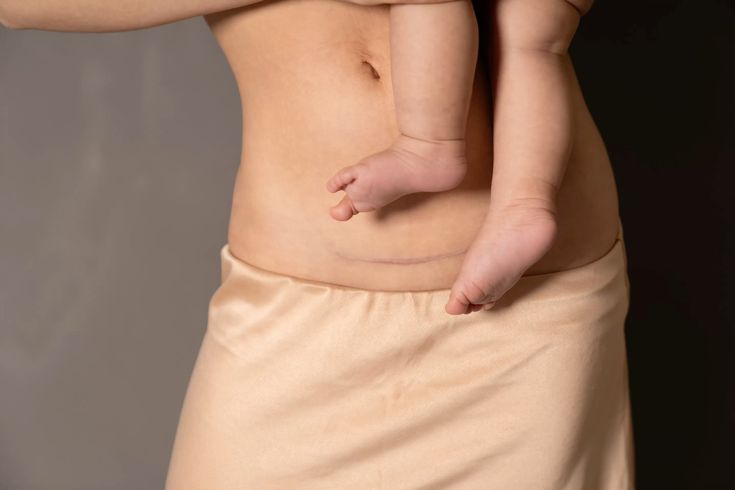
Physical recovery varies by delivery method. Women who experienced vaginal births often deal with perineal soreness, hemorrhoids, and urinary incontinence. Those recovering from C-sections must manage incision pain, limited mobility, and risk of infection. Pelvic floor exercises, proper wound care, and postnatal checkups are essential.
Bonding with the newborn is another significant aspect. Skin-to-skin contact, breastfeeding, and responsive caregiving foster attachment, which is crucial for infant development. However, sleep deprivation, physical exhaustion, and the demands of infant care can strain relationships and maternal self-esteem. Culturally, postpartum practices differ worldwide, with some traditions emphasizing rest, confinement, or specific diets to promote recovery. In modern healthcare, attention is increasingly given to postpartum mental health screenings and support services, recognizing the importance of holistic maternal care